The Golden Verses of Pythagoras: A 19th-Century Manuscript Mystery
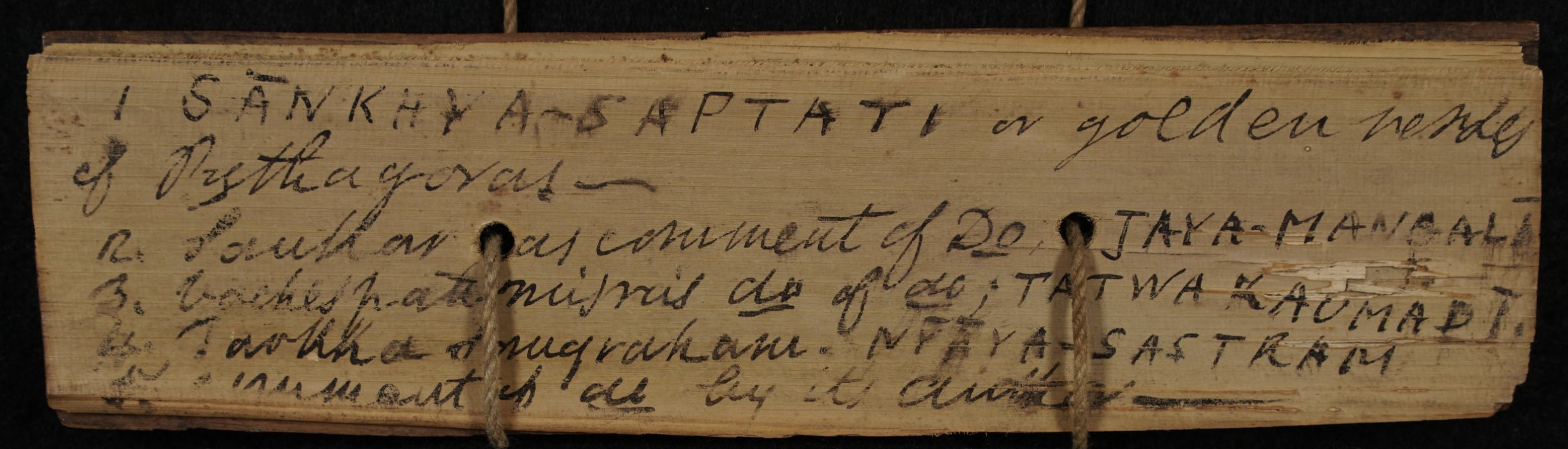
A palm-leaf manuscript in the Royal Asiatic Society bears a curious English label: “SĀṄKHYA-SAPTATI or golden verses of Pythagoras.” This label preserves a fascinating moment in intellectual history—when British scholars believed they had found the “Indian Pythagoras.”
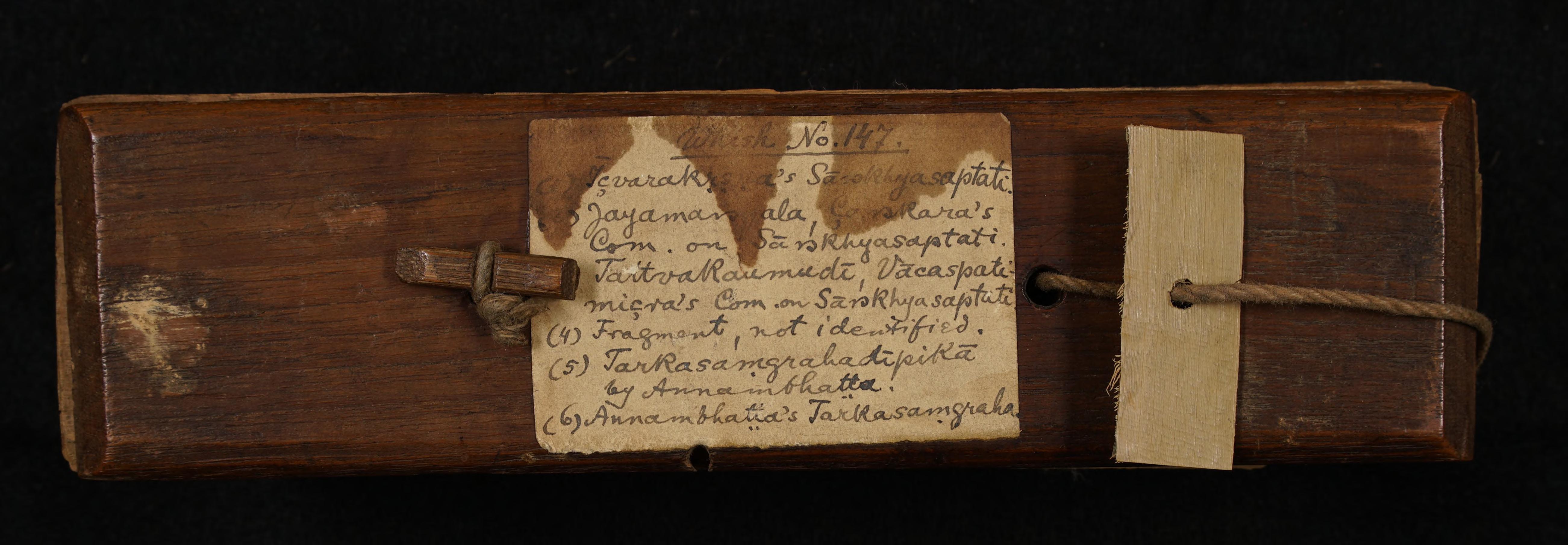
The Manuscript: Whish No. 147
| Collection | Whish Collection, Royal Asiatic Society |
| Collector | Charles Matthew Whish (1794–1833) |
| Location Collected | Kerala, South India |
| Date of Copy | Early 19th century |
| Script | Malayalam |
| Material | Palm-leaf with wooden cover boards |
| Contents | Sāṃkhyakārikā (complete) + Tarkasaṃgraha (partial) |
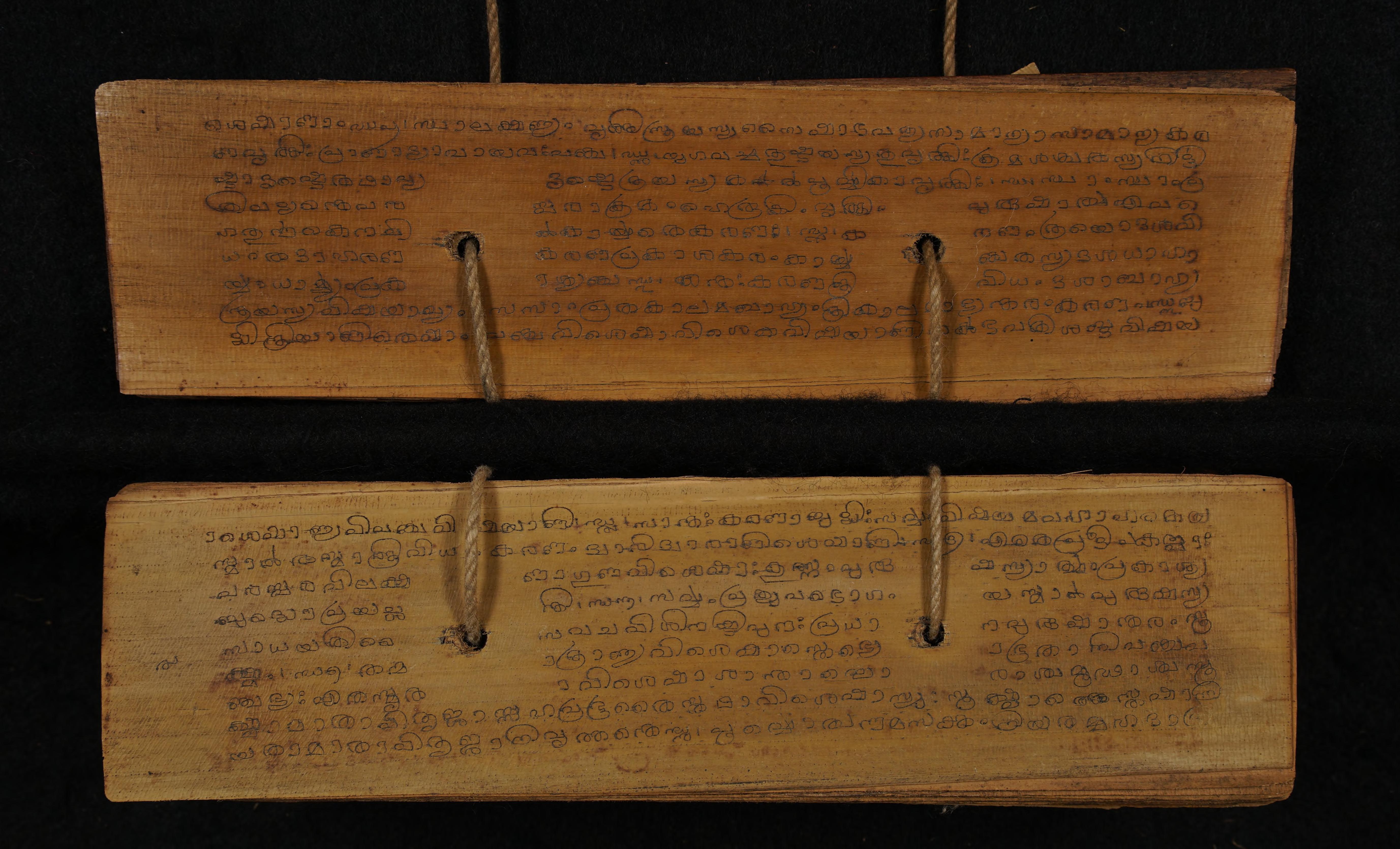
Folio 1: Opening invocation
Folio 2: Verses 5-10
Folio 7: Final verses
Charles Whish was a British civil servant in the Madras Presidency who collected Sanskrit manuscripts from Kerala. He is best known for discovering that Indian mathematicians had developed infinite series for trigonometric functions centuries before Newton and Leibniz. His manuscript collection, now at the Royal Asiatic Society, contains hundreds of palm-leaf texts from Kerala's scholarly traditions.
The “Pythagoras” Connection
Whish's table of contents on the cover board lists the manuscript's contents:
1. SĀNKHYA-SAPTATI or golden verses of Pythagoras—
2. Saukara's comment of Do: JAYA-MANGALA
3. Vachespati misris do of do: TATWA KAUMADI
4. Tarkha Sangraham. NYAYA-SASTRAM
5. comment of do by its author—
This reflects a specific 18th/19th-century Orientalist theory. Early British scholars like Sir William Jones noticed striking parallels between Indian Sāṃkhya philosophy and the Greek Pythagorean tradition:
| Doctrine | Sāṃkhya (India) | Pythagoras (Greece) |
|---|---|---|
| Dualism | Puruṣa (Spirit) vs Prakṛti (Matter) | Monad vs Dyad |
| Numerology | "Sāṃkhya" = Enumeration (25 principles) | "All is Number" |
| Transmigration | Rebirth based on karma | Metempsychosis |
| Liberation | Kaivalya (Isolation of Spirit) | Purification of Soul |
| Golden Verses | Sāṃkhyakārikā (72 verses) | Golden Verses of Pythagoras |
The Golden Verses of Pythagoras was a famous Greek compendium of moral maxims attributed to Pythagoras. For Whish and his contemporaries, the Sāṃkhyakārikā(72 verses) seemed like its Indian counterpart—a systematic enumeration of cosmic principles that taught liberation through knowledge.
What is the Sāṃkhyakārikā?
The Sāṃkhyakārikā (“Verses on Enumeration”) is the foundational text of the Sāṃkhya school of Indian philosophy, composed by Īśvarakṛṣṇaaround the 4th century CE. It systematically enumerates 25 cosmic principles (tattvas) and explains how liberation is achieved through discriminative knowledge.
The 25 Principles
1. Puruṣa (Spirit/Witness) — Eternal, conscious, inactive
2. Prakṛti (Primordial Nature) — Uncaused cause, three guṇas
3. Mahat/Buddhi (Intellect) — First evolute, determines
4. Ahaṃkāra (Ego) — The “I-maker”
5. Manas (Mind) — Deliberates, synthesizes
6–10. Five Sense Organs — Hearing, touch, sight, taste, smell
11–15. Five Action Organs — Speech, grasping, walking, excretion, reproduction
16–20. Five Subtle Elements — Sound, touch, form, taste, smell (tanmātras)
21–25. Five Gross Elements — Space, air, fire, water, earth
Key Doctrines
Satkāryavāda (Effect Pre-exists in Cause)
“Nothing can come from nothing; a specific cause produces a specific effect.” (Verse 9)
The Three Guṇas (Qualities)
Sattva (light/pleasure), Rajas (motion/pain), Tamas (heaviness/delusion) — “They function together like a lamp (wick, oil, and fire cooperating for light).” (Verses 12–13)
The Lame Man and the Blind Man
“The Spirit (conscious but inactive) rides on Matter (active but unconscious) like a lame man riding a blind man.” (Verses 19–21)
The Dancing Girl
“Just as a dancer stops dancing after she has been seen by the audience, Nature stops her activity once the Spirit realizes 'I am not this.'” (Verse 59)
The Transmission Lineage
The text itself records its transmission (Verses 70–72):
↓
Āsuri
↓
Pañcaśikha
↓
Īśvarakṛṣṇa (author, ~4th c. CE)
Sample Transcription
Here are the opening verses from the manuscript in Malayalam script with romanization:
Invocation
ഹരിഃ ശ്രീ ഗണപതയേ നമഃ അവിഘ്നമസ്തു
Hariḥ Śrī Gaṇapataye namaḥ avighnam astu
Verse 1
ദുഃഖത്രയാഭിഘാതാജിജ്ഞാസാ തദപഘാതകേ ഹേതൗ
duḥkhatrayābhighātājjijñāsā tadapaghātake hetau
“Because of the assault of the Threefold Suffering, an inquiry arises into the means of terminating it...”
The Colonial Mirror
The manuscript label's equation of Sāṃkhya with the Golden Verses of Pythagoras reveals less about the Indian text itself and more about how 19th-century British intellectuals tried to make sense of the East.
1. The Numerical Link
The most obvious bridge is etymological. Sāṃkhya means “Enumeration” (categorizing the 25 realities). Pythagoras is famous for the doctrine “All is Number.” For a colonial collector like Whish, this was likely the “smoking gun” of a historical connection.
2. The Dualistic Soul
Both systems are rigorously dualistic. They strictly separate the eternal, witness-soul (Puruṣa/Monad) from the changing, material world (Prakṛti/Dyad). The goal in both systems is to purify the soul from the contamination of matter.
3. Transmigration
The specific doctrine of metempsychosis (the soul moving from human to animal to plant based on conduct) is central to both Sāṃkhya (verses 53–54) and Pythagoreanism. In an era when Christianity dominated Western thought, finding two ancient, non-Christian systems sharing this specific belief suggested a shared ancient lineage to Orientalist scholars.
Modern Perspective
While modern scholarship views these as parallel developments rather than direct historical connections, the label on Whish No. 147 preserves a specific moment in history where theSāṃkhyakārikā was read not just as Indian philosophy, but as the “missing link” to Western antiquity.
This manuscript reminds us that every text exists in layers of interpretation. TheSāṃkhyakārikā is simultaneously:
- A 4th-century Indian philosophical treatise
- A Kerala scholarly tradition preserved on palm leaves
- A 19th-century Orientalist artifact labeled as “Pythagoras”
- A 21st-century digitized resource available worldwide
The “Golden Verses” label was wrong in its historical claim but revealing in its intellectual ambition: to find unity in the ancient wisdom of East and West.
Complete Transcription
The following transcription was made directly from the palm-leaf folios of Whish No. 147. The text is written in Malayalam script, the standard script for Sanskrit in Kerala.
| Folio | Malayalam Script | IAST Romanization |
|---|---|---|
| F1 | ഹരിഃ ശ്രീ ഗണപതയേ നമഃ അവിഘ്നമസ്തു [V1] ദുഃഖത്രയാഭിഘാതാജിജ്ഞാസാ തദപഘാതകേ ഹേതൗ ദൃഷ്ടേ സാ പാര്ഥാ ചന്നൈകാന്താത്യന്തതോƒഭാവാത് | Hariḥ Śrī Gaṇapataye namaḥ avighnam astu [V1] duḥkhatrayābhighātājjijñāsā tadapaghātake hetau dṛṣṭe sā pārthā cen naikāntātyantato'bhāvāt |
| F1 | [V2] ദൃഷ്ടവദാനുശ്രവികഃ സ ഹ്യവിശുദ്ധി ക്ഷയാതിശയയുക്തഃ തദ്വിപരീതഃ ശ്രേയാന് വ്യക്താവ്യക്തജ്ഞവിജ്ഞാനാത് | [V2] dṛṣṭavad ānuśravikaḥ sa hy aviśuddhi kṣayātiśayayuktaḥ tadviparītaḥ śreyān vyaktāvyaktajña-vijñānāt |
| F1 | [V3] മൂലപ്രകൃതിരവികൃതിഃ മഹദാദ്യാഃ പ്രകൃതിവികൃതയഃ സപ്ത ഷോഡശകസ്തു വികാരോ ന പ്രകൃതിര്ന വികൃതിഃ പുരുഷഃ | [V3] mūlaprakṛtir avikṛtiḥ mahadādyāḥ prakṛtivikṛtayaḥ sapta ṣoḍaśakas tu vikāro na prakṛtir na vikṛtiḥ puruṣaḥ |
| F3 | [V11] ത്രിഗുണമവിവേകി വിഷയസ്സാമാന്യമചേതനം പ്രസവധര്മ്മി വ്യക്തം തഥാപ്രധാനം തദ്വിപരീതഃ തഥാ ച പുമാന് | [V11] triguṇam aviveki viṣayas sāmānyam acetanaṃ prasavadharmi vyaktaṃ tathā pradhānaṃ tadviparītaḥ tathā ca pumān |
| F4 | [V17] സംഘാതപരാര്ഥത്വാത് ത്രിഗുണാദിവിപര്യയാദ് അധിഷ്ഠാനാത് പുരുഷോƒസ്തി... | [V17] saṃghātaparārthatvāt triguṇādiviparyayād adhiṣṭhānāt puruṣo'sti... |
| F12 | [V64] ...അവിപര്യയാദ് വിശുദ്ധം കേവലമുത്പദ്യതേ ജ്ഞാനം | [V64] ...aviparyayād viśuddhaṃ kevalamutpadyate jñānaṃ |
| F13 | [V70] ഏതത് പവിത്രമഗ്ര്യം മുനിരാസുരയേƒനുകമ്പയാ... പ്രദദൗ । ആസുരിരപി പഞ്ചശിഖായ... ഈശ്വരകൃഷ്പേന ചൈതദാര്യാഭിഃ... | [V70] etat pavitram agryaṃ munir āsuraye'nukampayā... pradadau | āsurirapi pañcaśikhāya... īśvarakṛṣṇena caitad āryābhiḥ... |
| F13 | [V72] ...സാംഖ്യസപ്തതിഃ സമാപ്താ ॥ | [V72] ...sāṃkhyasaptatiḥ samāptā ॥ |
Complete Translation
I. Introduction: The Problem of Suffering (Verses 1–2)
V1: Because of the assault of the Threefold Suffering (Internal, External, Divine), an inquiry arises into the means of terminating it. Visible means (medicine, wealth) are insufficient because they lack permanence.
V2: Scriptural means (rituals) are like visible ones—impure and decaying. The superior method is the discriminative knowledge of the Manifest, the Unmanifest, and the Knower (Spirit).
II. The 25 Principles & Epistemology (Verses 3–8)
V3: Primordial Nature (Prakṛti) is uncaused. The seven (Mahat, etc.) are both causes and effects. The sixteen are merely effects. The Spirit (Puruṣa) is neither cause nor effect.
V4–6: Three proofs are accepted: Perception, Inference, and Valid Testimony. Things beyond the senses are known via inference; things beyond inference are known via scripture.
V7–8: Non-perception of Nature is due to its subtlety, not its non-existence. It is known through its effects (Intellect, etc.).
III. Metaphysics: Cause & Effect (Verses 9–11)
V9 (Satkāryavāda): The effect pre-exists in the cause. Nothing can come from nothing; a specific cause produces a specific effect.
V10–11: The Manifest is caused, non-eternal, active, and manifold. The Unmanifest is the reverse. Both possess the three Guṇas (qualities). The Spirit is the opposite of both (unconscious vs conscious).
IV. The Three Guṇas (Verses 12–16)
V12–13: The Guṇas are Sattva (Light/Pleasure), Rajas (Motion/Pain), and Tamas (Heavy/Delusion). They function together like a lamp (wick, oil, and fire cooperating for light).
V14–16: Since the effects (world) possess these Guṇas, the Cause (Nature) must also possess them. Nature transforms like water, taking different forms based on the container.
V. The Spirit—Puruṣa (Verses 17–21)
V17: The Spirit exists because: (1) composites are for another's use (like a bed is for a sleeper), (2) there must be a controller, and (3) there must be an experiencer.
V18: There are many Spirits (plurality of souls), proven by the fact that birth and death happen at different times for different people.
V19–21: The Spirit is a witness, isolated, neutral, and a non-agent. Matter is active but unconscious. Their union is like a Lame Man (Spirit) riding a Blind Man (Matter).
VI. Evolution & Psychology (Verses 22–40)
V22: From Nature comes Intellect → Ego → Mind + Senses + Subtle Elements → Gross Elements.
V23–37: Detailed psychology. Buddhi (Intellect) determines.Ahaṃkāra (Ego) identifies “I am.” Manas (Mind) deliberates. The Senses perceive. They are like “Gatekeepers” presenting data to the Spirit.
V38–40: The Subtle Body (Liṅga Śarīra). This is the vehicle of the soul that transmigrates. It is composed of the Intellect, Ego, and Subtle Elements.
VII. Karma & Transmigration (Verses 41–52)
V41–42: Just as a painting needs a canvas, the Subtle Body needs the “Specifics” (subtle elements) to exist. It acts like a Dramatic Actor, taking on different roles/bodies.
V43–45: Mental dispositions determine rebirth. Virtue leads upwards (Heaven); Vice leads downwards (Hell). Knowledge leads to Liberation.
V46–52: The “Intellectual Creation.” A classification of 50 mental states (Ignorance, Contentment, Perfection). Only the 8 Perfections (Reasoning, Study, etc.) lead to freedom.
VIII. Teleology: Why Does the Universe Exist? (Verses 56–59)
V57: Just as unconscious milk flows to nourish the calf, unconscious Nature evolves to liberate the Spirit.
V59: Just as a Dancer stops dancing after she has been seen by the audience, Nature stops her activity once the Spirit realizes “I am not this.”
IX. Liberation & Conclusion (Verses 60–72)
V61: “Nothing is more delicate/modest than Nature. Once seen, she never exposes herself to the Spirit again.”
V64: Knowledge arises: “I do not exist (as agent), nothing is mine, I am not.” This is pure, absolute isolation (Kaivalya).
V67: The body continues for a while due to past momentum, like a Potter's Wheel spinning after the push stops.
V68: Upon death, the Spirit attains final, absolute release.
V70–72: This doctrine was taught by Kapila → Āsuri → Pañcaśikha → Īśvarakṛṣṇa. It is a summary of the Ṣaṣṭitantra (Science of Sixty Topics).
॥ सांख्यसप्ततिः समाप्ता ॥
Thus concludes the Sāṃkhyasaptati
Further Reading
- Larson, G.J. & Bhattacharya, R.S. (1987).Sāṃkhya: A Dualist Tradition in Indian Philosophy(Encyclopedia of Indian Philosophies, Vol. IV)
- Whish, C.M. (1835). “On the Hindú Quadrature of the Circle”Transactions of the Royal Asiatic Society 3(3): 509–523
- Whish Collection at Internet Archive
SHARE THIS ARTICLE
Discussion
Loading comments...